Proper roof insulation is essential for maintaining a healthy and comfortable home while preventing costly problems caused by excess moisture. Without adequate insulation, condensation can form in attics and roof spaces, creating the perfect environment for mold growth and compromising indoor air quality. Eco Tec Insulation plays a crucial role in addressing these issues by ensuring insulation is installed correctly, air leaks are sealed, and moisture control measures are in place. By working with Eco Tec Insulation, homeowners can protect their property from mold, improve energy efficiency, and maintain a safe and healthy indoor environment.

Save Big on Insulation: Get Up to $1,200 in Federal Tax Credit Before Year-End!
The Role of Roof Insulation Contractors in Mold & Moisture Prevention

Indoor Air Quality
Mold and excess moisture can significantly impact indoor air quality, leading to health issues such as allergies, respiratory irritation, and worsening asthma symptoms. When moisture accumulates in attics, roofs, or walls due to inadequate insulation, it creates a breeding ground for mold and mildew. These spores can easily become airborne, circulating throughout the home and affecting the air that residents breathe.
Poor insulation contributes to condensation, especially in colder climates, which increases the risk of mold growth. Gaps in insulation or improperly sealed roof spaces allow warm, moist air to meet cooler surfaces, creating conditions where mold and mildew thrive. This not only affects air quality but can also lead to structural damage over time.
Professional roof insulation contractors help improve indoor air quality by:
- Installing insulation correctly to prevent air leaks and condensation
- Recommending moisture-resistant insulation materials to minimize mold growth
- Ensuring proper ventilation to maintain consistent airflow and reduce humidity
- Identifying and addressing existing mold or moisture issues during installation or upgrades
By addressing insulation and moisture control, contractors play a key role in creating a healthier indoor environment and protecting residents from the harmful effects of poor air quality.
Mold Growth
Mold is a type of fungus that grows in damp or humid environments and can spread quickly if not addressed. In homes, mold often develops in areas where moisture accumulates, such as roofs, attics, walls, and basements. Common causes of mold include roof leaks, poor ventilation, condensation, and water damage from plumbing issues or flooding.
Moisture accumulation in roofs, attics, and walls creates ideal conditions for mold growth. When warm, humid air comes into contact with cooler surfaces, condensation forms, providing the moisture that mold needs to thrive. Poorly insulated spaces can worsen the problem by allowing temperature fluctuations that increase humidity levels and promote mold development.
Homeowners should watch for signs of mold growth, including:
- Musty or damp odors in certain areas of the home
- Visible discoloration on walls, ceilings, or insulation
- Water stains or peeling paint
- Allergic reactions, such as sneezing, coughing, or irritated eyes, when in affected areas

Early detection and professional assessment by roof insulation contractors can prevent minor mold issues from becoming severe problems, protecting both the home structure and indoor air quality.
Mold Prevention
Preventing mold begins with addressing the sources of moisture and ensuring proper insulation installation. Professional roof insulation contractors use proactive strategies to minimize the risk of mold growth in homes. By identifying areas prone to leaks or condensation and applying the right insulation techniques, contractors can create a dry and well-ventilated environment that discourages mold development.
Key methods contractors use for mold prevention include:
- Proper sealing of air leaks to stop warm, humid air from entering cooler spaces
- Installing vapor barriers to control moisture movement and reduce condensation
- Choosing moisture-resistant insulation materials that are less likely to support mold growth
By implementing these strategies, homeowners can maintain a healthier indoor environment and extend the lifespan of their roof and insulation systems while reducing the risk of costly mold remediation.
Energy Efficiency
Effective roof insulation plays a critical role in improving a home’s energy efficiency by maintaining consistent indoor temperatures. Properly installed insulation prevents heat from escaping during colder months and keeps interiors cooler during warmer months. This not only reduces the workload on heating and cooling systems but also minimizes the conditions that contribute to moisture buildup, which can lead to mold growth.
The benefits of energy-efficient roof insulation extend beyond comfort. Homeowners can experience:
- Lower energy bills due to reduced heating and cooling demands
- Reduced risk of mold and mildew growth by controlling humidity and condensation
- Enhanced overall home durability by protecting structural elements from moisture damage
By combining energy efficiency with moisture control, roof insulation contractors help homeowners create a healthier, more cost-effective living environment.

Mildew-Resistant Insulation
Mildew-resistant insulation is specially designed to resist moisture absorption and prevent the growth of mold and mildew. This type of insulation helps maintain a dry and healthy indoor environment, reducing the risk of structural damage and health issues associated with mold exposure.
Common materials used for mildew-resistant insulation include:
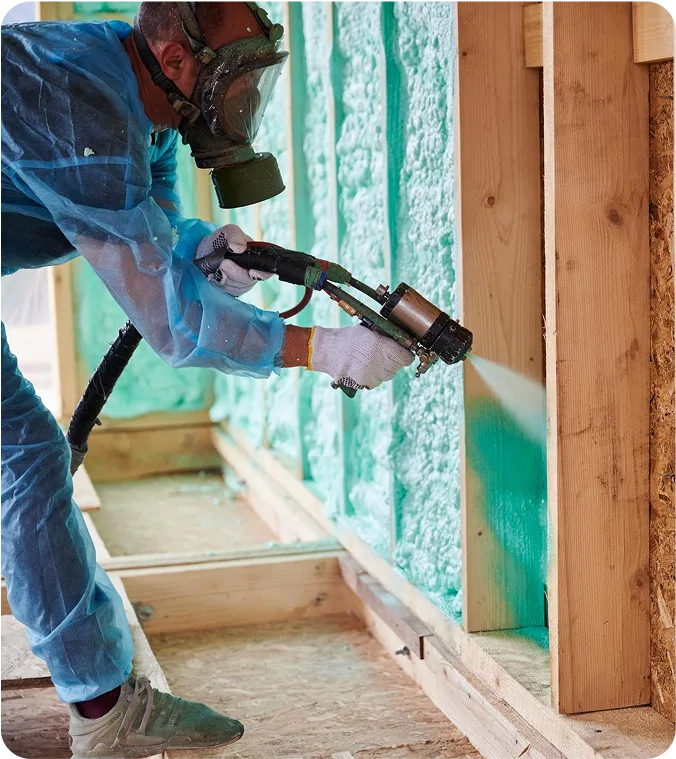
- Spray foam insulation, which creates an airtight seal and limits moisture penetration
- Foam board insulation, which is dense and moisture-resistant
- Fiberglass insulation treated with anti-microbial agents, which discourages mold and mildew growth
Contractors often recommend mildew-resistant insulation because it provides long-term protection against moisture problems, especially in areas prone to high humidity or leaks. Compared with standard insulation options, such as untreated fiberglass or cellulose, mildew-resistant materials offer superior durability, better moisture control, and enhanced protection for the home’s structure and indoor air quality.
Prevent Mold
Preventing mold requires a proactive approach that addresses both moisture sources and proper insulation. Homeowners can work with professional roof insulation contractors to implement effective measures that reduce the risk of mold growth and protect indoor air quality.

Key steps to prevent mold include:
- Inspecting the roof and attic areas for leaks to identify and repair potential sources of water intrusion
- Upgrading insulation in problem areas to improve thermal performance and reduce condensation
- Maintaining proper ventilation in attics, ceilings, and roof spaces to allow air circulation and control humidity levels
By following these steps with the guidance of a contractor, homeowners can create a dry, well-insulated environment that minimizes mold risk and promotes a healthier home.
Moisture Control
Controlling moisture in roofs, attics, and walls is essential for preventing mold growth and protecting the structural integrity of a home. Excess moisture can lead to condensation, wood rot, and damage to insulation if not properly managed. Effective moisture control strategies focus on both preventing water intrusion and managing humidity levels within the home.
Roof insulation contractors assess moisture risk by inspecting areas prone to leaks, condensation, and poor airflow. They evaluate the condition of existing insulation, identify sources of water intrusion, and recommend appropriate solutions to maintain a dry, well-ventilated space.
Common methods for moisture control include:
- Vapor barriers to prevent moisture from penetrating walls and ceilings
- Dehumidifiers to reduce indoor humidity levels in attics and other enclosed spaces
- Proper roof ventilation to allow airflow and reduce condensation buildup
By implementing these measures, contractors help homeowners maintain a healthy, mold-free environment while extending the life of their roof and insulation systems.
Cellulose Insulation
Cellulose insulation is made from recycled paper products treated with fire retardants and moisture-resistant chemicals. Its dense composition helps it resist moisture absorption, reducing the likelihood of mold growth in attics, walls, and other enclosed spaces. This makes cellulose insulation an effective option for areas prone to humidity or water infiltration.
Contractors often recommend cellulose insulation for mold-prone areas because it provides excellent thermal performance while helping control moisture levels. Its ability to fill gaps and conform to irregular spaces also improves energy efficiency and prevents air leaks that can contribute to condensation and mold development.
Additional benefits of cellulose insulation include:
- Eco-friendly composition using recycled materials, which reduces environmental impact
- Improved soundproofing due to its dense structure
- Cost-effective installation compared with some other insulation materials
By choosing cellulose insulation, homeowners can enhance mold prevention, maintain energy efficiency, and support environmentally conscious building practices.
Exterior Walls
Insulating exterior walls plays a vital role in preventing moisture penetration and reducing the risk of mold growth. Properly insulated walls act as a barrier against temperature fluctuations and humidity, helping to keep indoor spaces dry and comfortable. Without adequate insulation, walls can become prone to condensation, water infiltration, and structural damage over time.
Roof insulation contractors assess exterior wall insulation by inspecting for gaps, cracks, and areas of inadequate coverage. They recommend upgrades or replacement with moisture-resistant materials to enhance thermal performance and prevent mold growth.
Key steps contractors take for wall insulation include:
- Sealing gaps and cracks to prevent air and water intrusion
- Installing moisture-resistant insulation materials to minimize mold risk
- Ensuring proper alignment and coverage for consistent thermal protection
- Coordinating with exterior siding and flashing to manage water runoff effectively
By improving exterior wall insulation, homeowners can maintain a healthier indoor environment, protect the structure of their home, and enhance overall energy efficiency.
Insulation Materials
There are several common insulation materials used in roofs and attics, each with unique properties that affect energy efficiency and moisture control. Fiberglass is widely used for its affordability and ease of installation, while spray foam insulation provides an airtight seal that prevents air and moisture infiltration. Cellulose insulation is dense and treated to resist moisture, making it ideal for mold-prone areas, and mineral wool offers excellent fire resistance and moisture management.
When selecting insulation materials, contractors consider factors such as the climate, humidity levels, and the risk of mold growth. Materials that resist moisture and provide a tight seal are often preferred to prevent condensation and mold development.
Key insights from contractors include:
- Fiberglass insulation is suitable for general use, but may require additional moisture barriers in humid areas
- Spray foam insulation is ideal for sealing gaps and controlling airflow, reducing condensation risks
- Cellulose insulation is recommended for mold-prone areas due to its moisture-resistant properties
- Mineral wool insulation provides durability and effective moisture management, especially in high-humidity environments
By choosing the right insulation material with the guidance of a professional contractor, homeowners can enhance mold prevention, improve energy efficiency, and maintain a healthy indoor environment.

Attic Insulation
Attics are a common source of moisture issues because they are often poorly ventilated and experience wide temperature fluctuations. Warm, humid air from living spaces can rise into the attic, condense on cooler surfaces, and create ideal conditions for mold growth and wood rot if insulation is inadequate or improperly installed.
Proper attic insulation helps prevent condensation by maintaining consistent temperatures and reducing moisture buildup. Contractors recommend using insulation materials that fit snugly between joists and rafters, sealing gaps and cracks, and layering insulation to achieve optimal thermal performance.
Recommendations contractors provide for attic insulation and ventilation include:
- Installing ridge and soffit vents to promote airflow and reduce humidity
- Adding vapor barriers to control moisture movement from living spaces.
- Layering insulation to enhance thermal protection and prevent cold spots.
- Using moisture-resistant insulation materials to minimize mold growth
By following these strategies, homeowners can keep attics dry, prevent mold, and improve overall energy efficiency while protecting the structural integrity of their home.
Insulation and Ventilation
Proper insulation and adequate ventilation work together to maintain a healthy and comfortable indoor environment. While insulation helps retain heat and control temperature, ventilation ensures that moisture-laden air does not become trapped, which could lead to condensation and mold growth. Balancing these two elements is essential for effective moisture control and energy efficiency.
Contractors carefully assess attic and roof spaces to determine the optimal insulation thickness while ensuring sufficient airflow. Over-insulating without proper ventilation can trap moisture, while under-insulating can create cold spots that encourage condensation.
Common ventilation solutions recommended by contractors include:
- Ridge vents that allow warm, humid air to escape along the roof peak
- Soffit vents that enable fresh air to enter the attic from below
- Attic fans to actively circulate air and reduce humidity levels
By combining proper insulation with effective ventilation, homeowners can prevent moisture accumulation, reduce the risk of mold, and maintain a more energy-efficient and comfortable home.
Indoor Environment
Professional roof insulation plays a key role in improving the overall indoor environment of a home. By controlling temperature, managing moisture, and preventing mold growth, properly installed insulation creates a healthier and more comfortable living space for occupants.
The benefits of professional insulation include:
- Healthier indoor air by reducing airborne mold spores and allergens
- Reduced mold risk through effective moisture control and ventilation
- Comfortable temperatures year-round by minimizing heat loss or gain
- Improved energy efficiency that lowers heating and cooling costs
Homeowners are encouraged to consult professional roof insulation contractors for inspections and upgrades. Contractors can assess current insulation, recommend moisture-resistant materials, and implement solutions that enhance indoor air quality, protect the home from mold, and improve overall comfort and energy efficiency.
Roof insulation contractors, such as Eco Tec Insulation, play a vital role in preventing mold and moisture issues by ensuring that insulation is properly installed and that air and moisture control measures are in place. Choosing the right insulation materials and maintaining proper ventilation are essential steps in protecting a home from condensation, mold growth, and structural damage. Eco Tec Insulation can assess problem areas, recommend moisture-resistant solutions, and implement strategies that enhance both energy efficiency and indoor air quality. Consult Eco Tec Insulation today to protect your home from mold, improve energy efficiency, and ensure a healthy indoor environment.
Schedule an Insulation Assessment Today
Preventing mold and moisture damage starts with proper insulation in the right places. Eco Tec Insulation offers expert thermal imaging surveys and insulation evaluations to identify problem areas, ensuring your upgrades improve energy efficiency, protect your home, and provide long-lasting results.
Ready to protect your home from mold and moisture damage? Schedule a thermal imaging assessment with Eco Tec Insulation to identify exactly where insulation is needed. Their experienced team will provide a personalized plan to target problem areas and improve your home’s energy efficiency, comfort, and long-term protection. Call (847) 675-1400 today to get started.